What “composite flange” means
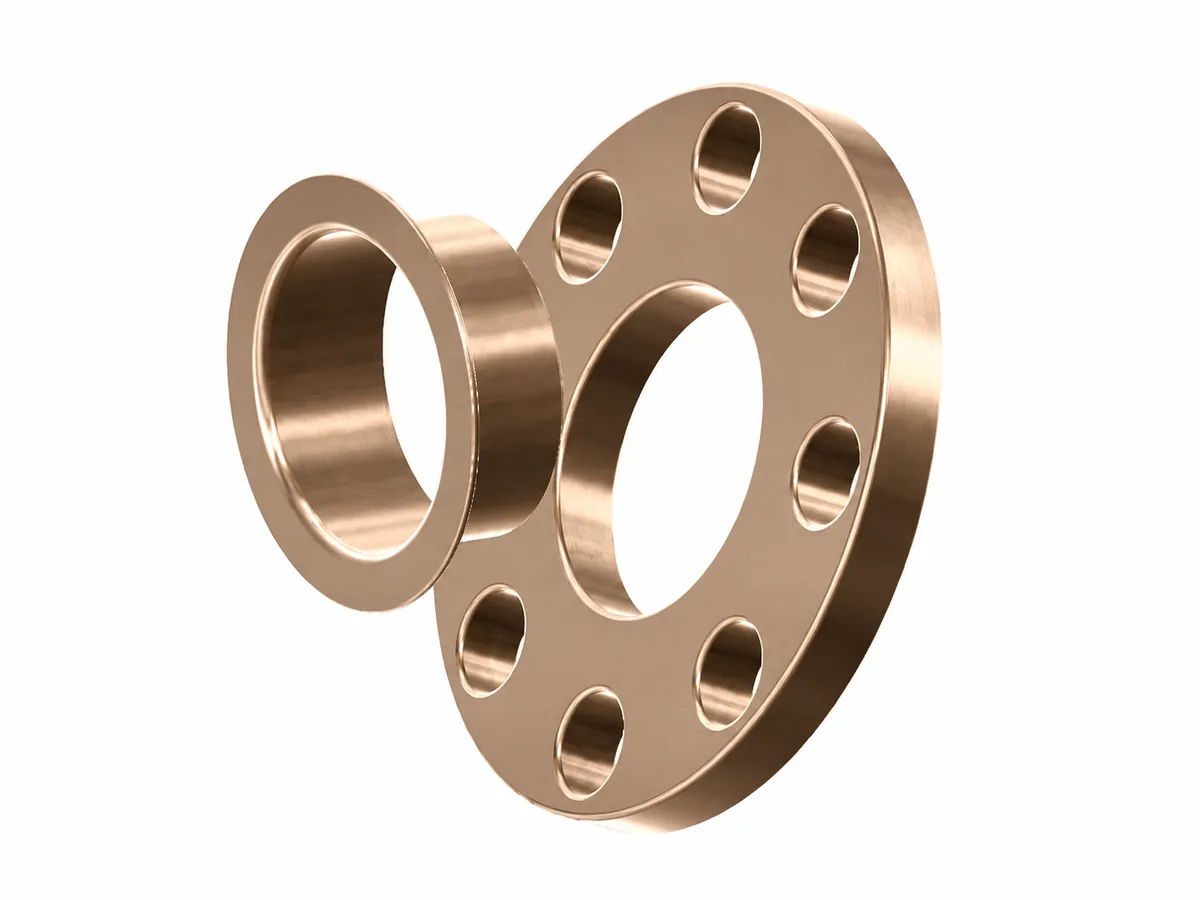
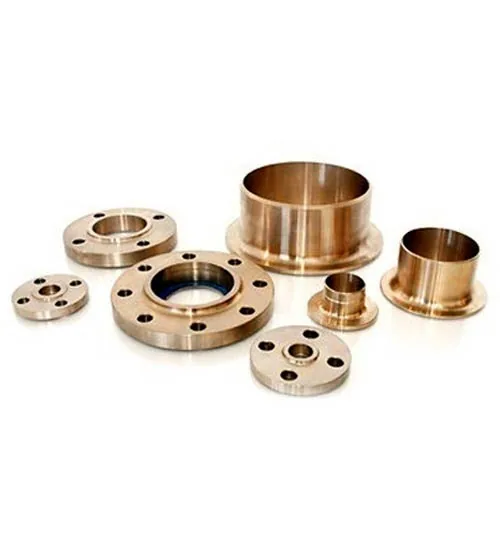
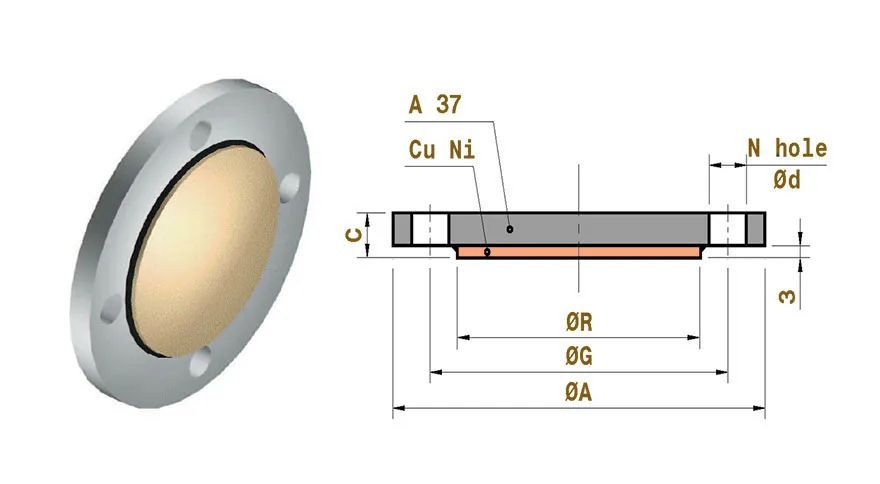
The phrase composite flange is used in different ways across the industry. In this context it means a flange assembly in which more than one material or component forms the joint, typically a copper-nickel part in contact with the fluid and a backing part that carries the bolt load.
Because configurations vary, we do not sell composite flanges from a fixed catalogue. We quote them against a drawing or a clear description of the intended build.
Typical configurations
- Copper-nickel stub end or ring with a separate backing flange
- Backing flange with a copper-nickel wetted face or lining, where the design and procedure allow
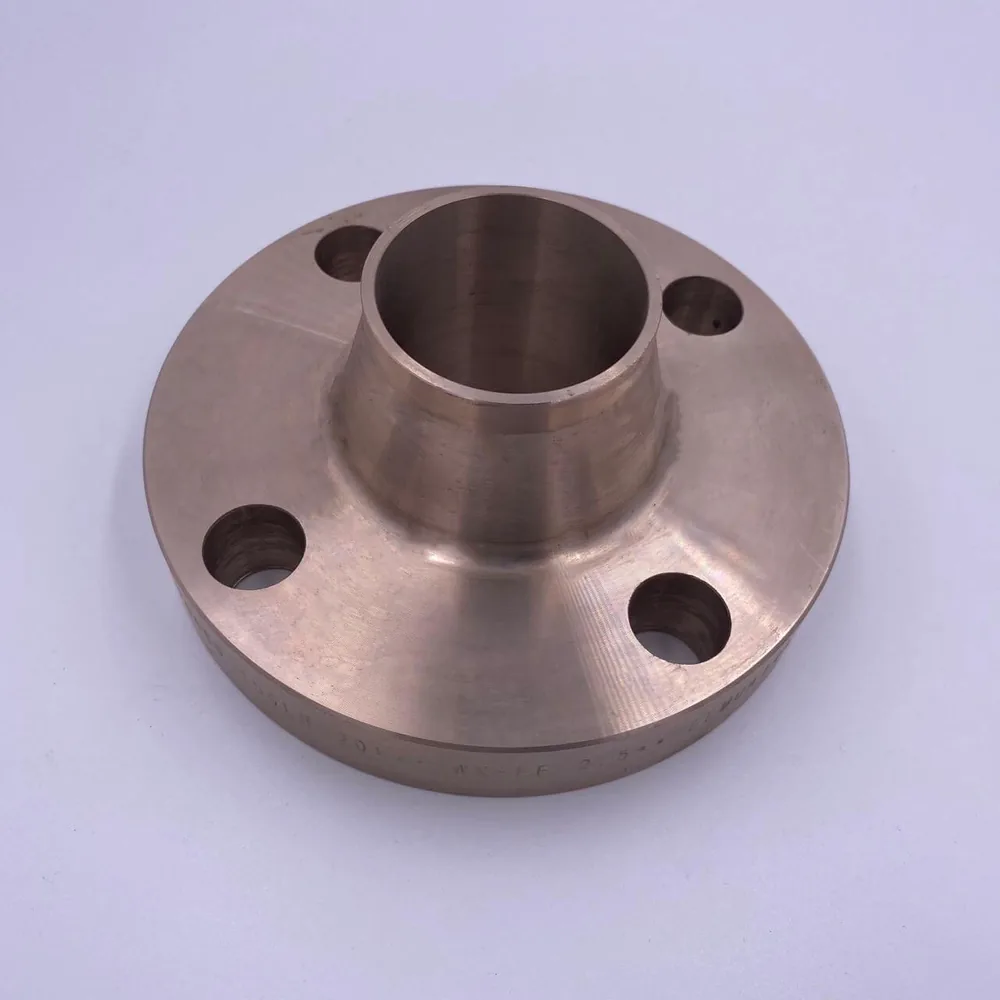
- Copper-nickel flange ring with a different-material hub or support component
- Assemblies with gaskets, isolation sleeves and bolting specified together
Why designers choose composite construction
The usual reason is cost on large diameters. If only the wetted surface needs to be copper-nickel, a solid copper-nickel flange may be heavier and more expensive than needed. A composite design confines the copper-nickel to where the seawater is.
Another reason is mechanical: the backing component may be chosen for stiffness or bolt-load capacity while the copper-nickel part is chosen for corrosion behavior. In either case, the design has to be checked against your code.
Galvanic and crevice considerations
Whenever copper-nickel meets a different metal in seawater, a galvanic couple forms. The less noble metal is the one that corrodes, so any steel in the assembly should be coated, isolated or protected, and crevices between dissimilar components should be sealed or avoided.
Isolation kits (gaskets, sleeves and washers) are a common approach on flanged joints between copper-nickel and steel. We can include them in the quotation when specified.
Materials and standards
The copper-nickel components are produced in Cu-Ni 90/10 (UNS C70600) or Cu-Ni 70/30 (UNS C71500), referencing the ASTM or ASME material specification in your purchase order, for example ASTM B151 bar or ASTM B122 plate. Drilling and facing are typically referenced to ASME B16.5 or your drawing.
Manufactured to applicable ASME/ASTM requirements based on project specification. Where the backing component is a different material, its specification and certification should be stated in the enquiry.
Inspection and documentation
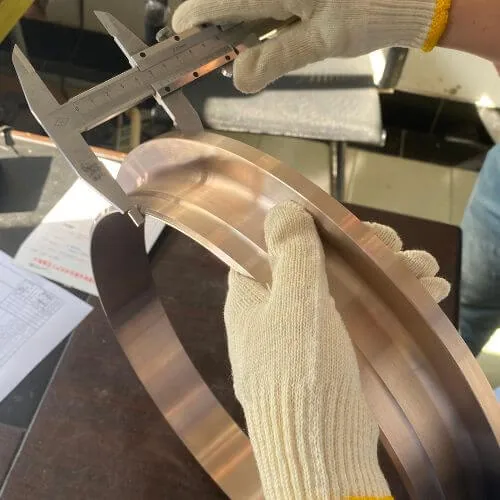
Dimensional inspection, material identification of each component and certification can be arranged according to project requirements. Third-party inspection can be coordinated if requested.
How to enquire
- Send the assembly drawing or sketch
- State the material of each component
- Give NPS, class, facing, quantity and delivery date
- State galvanic isolation or coating requirements
Technical summary
Values below are references, not guarantees. Size range and pressure class depend on flange type, size, alloy and the applicable standard, and are confirmed against your specification at quotation.
| Item | Detail |
|---|---|
| Product type | Composite flange assembly |
| Alloy options | Copper-Nickel 90/10 (UNS C70600) and Copper-Nickel 70/30 (UNS C71500) |
| Typical material forms | ASTM B151 rod and bar, ASTM B122 plate; other forms per project specification |
| Dimensional reference | Per customer drawing; ASME B16.5 drilling and facing where applicable |
| Size range (NPS) | Per drawing / Available as per applicable standard and customer specification |
| Pressure class | Per applicable standard and design basis |
| Face / end type | Per drawing |
| Typical service | Seawater piping where the wetted surface must be copper-nickel |
| Documentation | Arranged according to project requirements (see Quality and Certifications) |
Copper nickel composite flange FAQs
What is a composite flange?
Here it means a flange assembly in which a copper-nickel component is combined with a backing flange or ring, usually in a different material. We quote against the drawing.
Why not use a solid copper nickel flange?
Solid flanges are the simplest option. Composite designs are considered when size and cost make solid copper-nickel less attractive and the design code permits a combined construction.
Is galvanic corrosion a concern?
Yes, where copper-nickel meets steel in seawater. Coatings, isolation sleeves and isolation gaskets are common measures, and they should be specified with the assembly.
Can you supply to a naval or class specification?
Send the specification with the enquiry. We will review its material, inspection and documentation requirements before quoting.